
Why IRIS
Why clients work with IRIS.
Four things that matter when choosing who designs, finances and operates your energy infrastructure — and the technical standards behind them.
Integrated engineering, financing & execution
One counterparty accountable across design, development capital, construction, ownership, and operation — with the capacity to commit capital early and hold assets for the long term.
Industrial expertise
Systems designed around production realities — shift patterns, process loads, free-zone constraints — not idealised consumption curves.
Flexible commercial structures
EPC, solar PPA, hybrid-energy PPA, or Energy-as-a-Service — the structure follows the client’s balance sheet, operating requirements, and risk appetite, not the other way round.
Bankable technical standards
Tier-one equipment, lender-grade documentation, and energy models a credit committee can underwrite — for solar, storage, and hybrid systems alike.
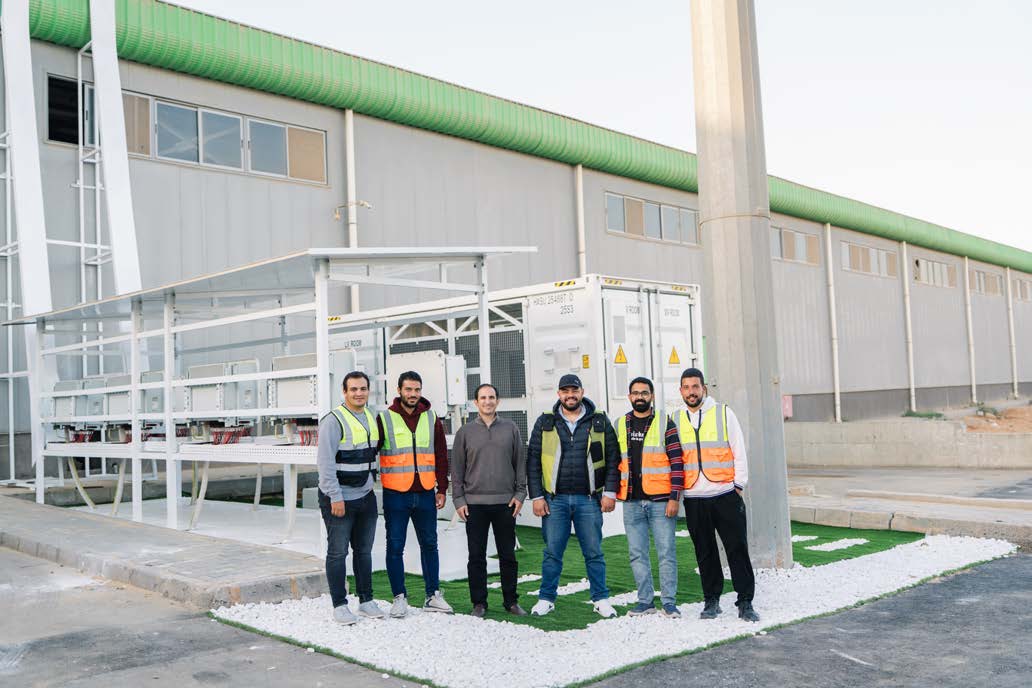
Technology Ecosystem & Standards
Bankability starts at design.
IRIS engineers and specifies bankable energy infrastructure using selected Tier-1 technologies and lender-recognised design platforms. Every technology decision is evaluated against performance, bankability, integration, and lifecycle requirements.
Approved technologies — modules · inverters · storage · design platforms
PV modules

PV modules

PV modules

PV modules

PV modules

Inverters

Inverters & BESS

Design software
Applied standards
Engineering
IEC-compliant systems, measured load analysis, MV/LV integration, and robust technical design engineered to utility requirements.
Equipment
Selected Tier-1 components and lender-recognised technology platforms — because every line of the bill of materials is underwritten.
Bankability
Lender-grade documentation, realistic energy modelling, and commercial structures capable of supporting project financing.
Operations
Contracted O&M, continuous monitoring, preventive maintenance scheduled around production, and lifecycle performance accountability.

Let’s discuss your facility.
Tell us where your site is and what you want to achieve. If you have electricity bills or a load profile available, they help the assessment — you can start the conversation without them.